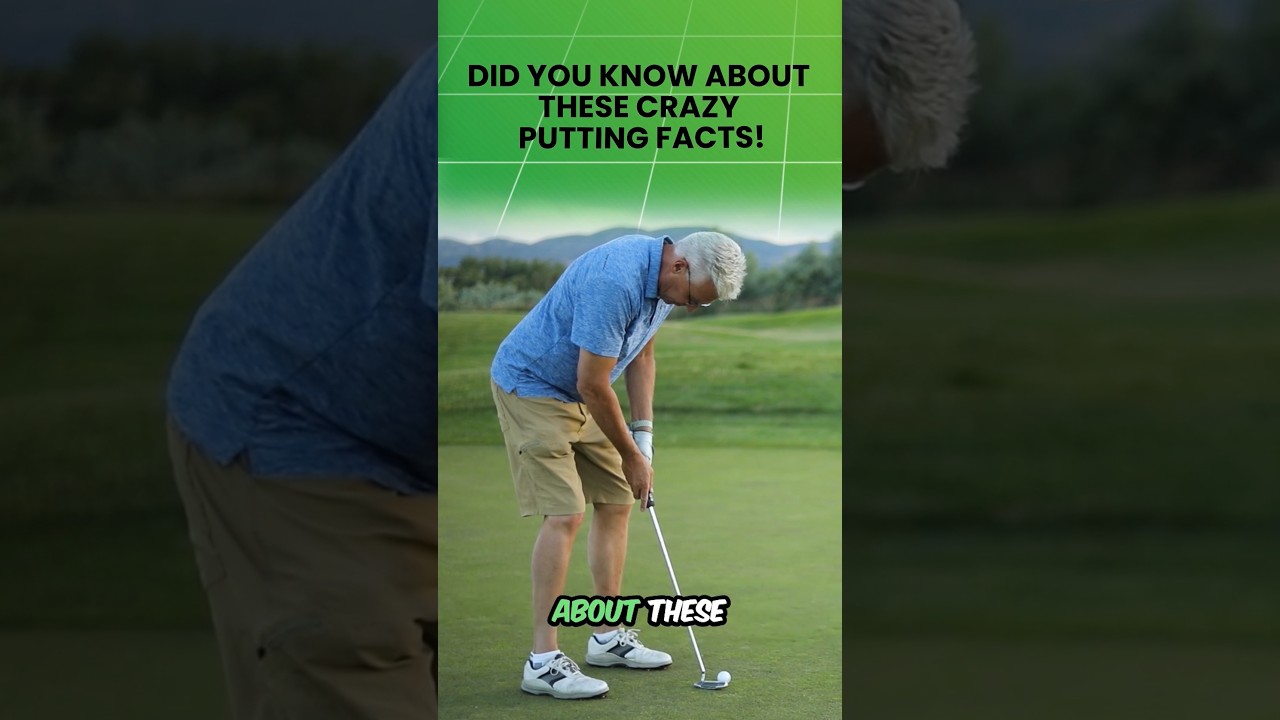
Discover the curious origins and history behind the golfing term “Fore”, shouted across courses worldwide. This video delves into its significance, tradition, and the etiquettes of golf, shedding light on a term that stands as a crucial safety protocol on the green.
Understanding “Fore” in Golf
This section unravels the mystery behind why golfers yell “Fore” and explores its historical roots. Gain insights into the fascinating evolution of this term and its embedded place in golf culture.
Table of Contents
- Introduction to “Fore”
- The History of “Fore”
- The Theories Behind “Fore”
- The Importance of Yelling “Fore”
- When to Yell “Fore” in Golf
Summary
Dive into the fascinating journey of the term “Fore” in golf, from its 16th-century Scottish origins to its vital role in modern golf etiquette. Understand the theories behind its usage, the importance of shouting it for safety and sportsmanship, and know precisely when it’s crucial to use it on the golf course.
Introduction to “Fore”

In the world of golf, amid swings and shots, “Fore” echoes as a common yet intriguing shout. This term, deeply rooted in golf’s etiquette, serves as a forewarning to those on the course about an incoming, possibly errant shot. But why “Fore” and not a more descriptive caution like “duck” or “watch out”? It turns out, “Fore” is not merely a shout but a long-standing tradition rich in history and meaning.
The History of “Fore”
The origins of shouting “Fore” on the green trace back to the 16th century, with golf historians pinpointing its first documentation to a golf glossary in 1857. While ScottishGolfHistory.org and the British Golf Museum reference its usage in the late 19th century, it’s clear that “Fore” has been a critical part of golfing lexicon for centuries. Yet its specific origins remain a blend of mystery and theory.
The Theories Behind “Fore”
Several theories have attempted to decode how “Fore” became the go-to cautionary shout in golf. From the plausible connection to the term “forecaddy” to more far-fetched links to historical military practices and even 16th-century city defense strategies, the etymology of “Fore” presents a fascinating puzzle. The most widely accepted theory relates to the use of “forecaddies”, tasked with locating where the ball lands to prevent loss—a vital role given the high cost of early golf balls.
“The term ‘Fore’ not only carries a sense of tradition but also one of practical necessity, bridging centuries of golfing lore with the fundamental need for safety and respect on the course.”
The Importance of Yelling “Fore”

Yelling “Fore” is more than a matter of tradition; it is a crucial aspect of golf etiquette aimed at safeguarding players and spectators alike. Given the potential for injury or even property damage that a stray golf ball can cause, the act of yelling “Fore” is a gesture of respect toward other individuals on the course, ensuring their safety and maintaining the integrity of the game.
When to Yell “Fore” in Golf
Understanding when to shout “Fore” is essential for all golfers, from beginners to seasoned pros. The traditional guidance advises that anytime there is a risk of the ball straying toward others—whether they be players, spectators, or even livestock—a loud, clear “Fore” is both expected and appreciated. It’s a simple yet effective way to minimize accidents, showing a commitment to courtesy and safety that defines the true spirit of golf.