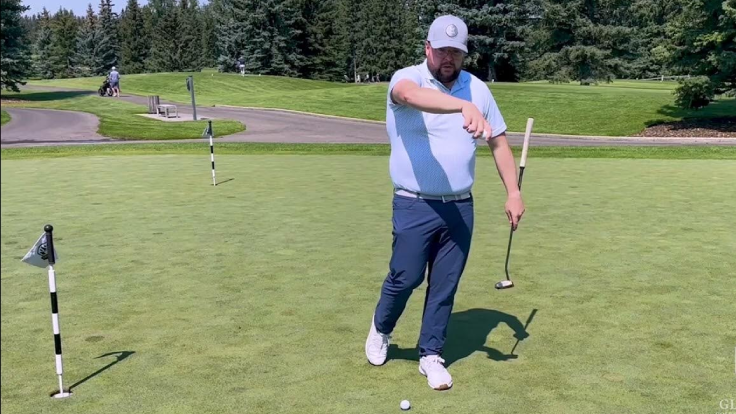
Welcome, fellow golf enthusiasts! Today, we’re teeing off into the world of lag putting—a crucial yet often overlooked aspect of improving your game on the green. This video breaks down the essentials of lag putting, helping you to minimize the risk of three-putting and essentially lowering your scores one stroke at a time.
Lag Putting Essentials
Lag putting is not just about getting the ball into the hole; it’s a strategic play that focuses on controlling your putt distance to ensure you’re setting up an easy second putt, thereby reducing your overall stroke count on the green. Let’s dive into the nuances of this game-changing skill.
Table of Contents
Summary
In this comprehensive guide, we cover everything from the basic definition of lag putting to practical advice on avoiding common pitfalls. By mastering the distance control and understanding the greens’ intricacies, you can significantly improve your putting game. Stick around as we explore essential tactics, sprinkle in some pro tips, and forewarn you about the mistakes that could send your ball on a wild goose chase across the green.
What is Lag Putting?
Lag putting emphasizes the importance of controlling your putt’s distance to ensure the ball ends up near the hole—close enough to secure the next putt with ease. This technique is pivotal for avoiding the dreaded three-putt scenario and sets the stage for a simpler, more successful second putt.
Finding the Ideal Lag Distance
Mastering lag putting begins with perfecting your distance control. Consider variables like grass speed, green tilt, and pin location. As a rule of thumb, aiming for about one-third of your total putt distance can significantly improve your scoring opportunities. For instance, if you’re 30 feet away, lagging to about 10 feet from the hole could be the sweet spot, making your follow-up putt much more manageable.
Common Mistakes in Lag Putting

Even seasoned golfers can find themselves tripped up by common lag putting blunders. From over-focusing on the hole—thereby neglecting putt speed and trajectory—to poor green reading and inconsistent speed control, these errors can quickly derail your game. Below, we’ll explore these pitfalls in more detail, offering actionable advice to keep your putts on the straight and narrow.
- Focusing Too Much on the Hole: It’s a common trap to fixate on the hole’s location. Instead, pay more attention to the putt’s speed and direction. Remember, it’s not just about getting the ball in the hole but setting up a favorable next shot.
- Inconsistent Speed Control: Speed consistency is key. Practice maintaining a steady tempo, and use your arms and shoulders to regulate the distance of each putt.
- Poor Green Reading: Misreading the green’s undulations and speed can easily result in suboptimal putt lengths. Utilize your feet to feel the green’s slope and adjust your putt accordingly.
- Decelerating at Impact: A steady rhythm through the ball ensures the putt doesn’t fall short. Keep your stroke consistent and focused on the putt’s intended distance.
- Overthinking the Putt: Analysis paralysis can creep into your game, sapping your focus. Simplify your approach: take a few practice swings, breathe, and trust your instincts.
- Poor Distance Control: Struggling with distance control can leave your balls frustratingly short or embarrassingly long. Consistent practice and sensitivity to the green’s pace are your best allies here.
Conclusion
In wrapping up, lag putting might just be the ace up your sleeve for lowering your golf scores. It’s not just about power or precision but the art of controlling distance. Avoid the common mishaps detailed above, and your putt is sure to approach the hole with just the right mix of finesse and strategy. Remember, practice makes perfect, so don’t skimp on those putting drills. Here’s to fewer putts and more cheers on the green!
Looking forward to shaving strokes off your game with these lag putting tips? Like, subscribe, and hit the notification bell for more insights and strategies from the green. Here’s to playing smart and lowering those scores—one putt at a time!